

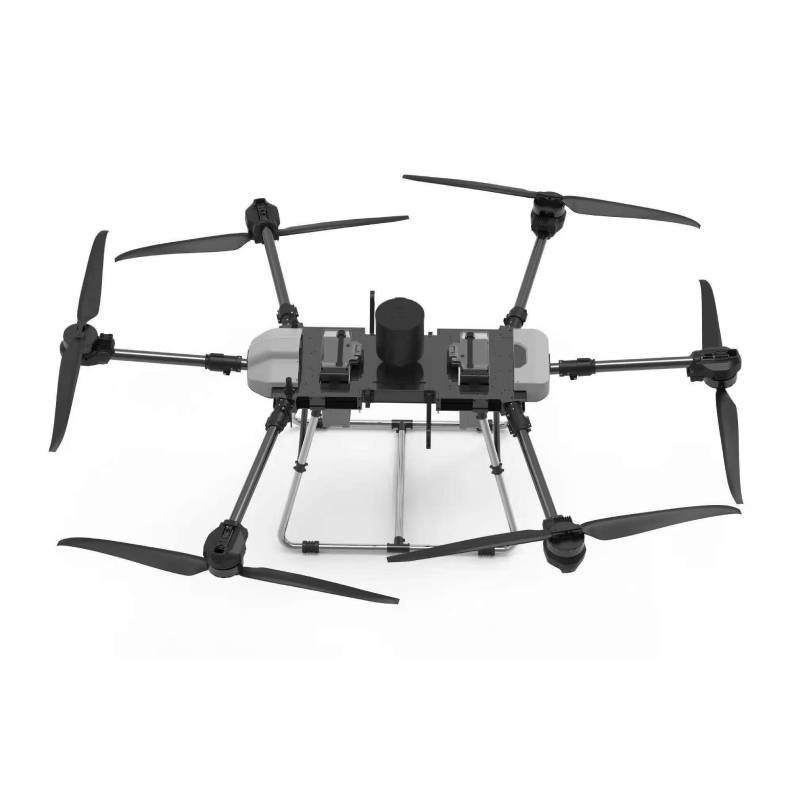

The logistics industry is undergoing a major transformation as automation, artificial intelligence, and unmanned aerial technologies continue to advance. Among these innovations, the transport drone has become a promising solution for moving goods more efficiently, especially in areas where traditional transportation is slow, expensive, or difficult to operate.
Unlike small consumer drones, transport drones are designed to carry cargo over longer distances and under more demanding conditions. Depending on their design, they can transport industrial materials, agricultural supplies, emergency equipment, parcels, and other valuable goods. Some heavy-lift transport drones can carry payloads of up to 100 kg, making them suitable for commercial and industrial logistics applications.
What Is a Transport Drone?
A transport drone, also known as a cargo drone or delivery drone, is an unmanned aerial vehicle developed specifically for transporting goods. It can be remotely controlled or follow a pre-programmed flight route using an intelligent flight control system.
Transport drones are usually equipped with GPS positioning, obstacle detection, real-time video transmission, automatic route planning, and return-to-home functions. Cargo can be carried inside a storage compartment, attached beneath the aircraft, or transported using a lifting system.
Compared with traditional delivery vehicles, drones are not restricted by road conditions or traffic congestion. They can fly directly between two locations, reducing travel distance and improving delivery speed.
Major Applications of Transport Drones
Industrial Material Transportation
Factories, construction sites, mining areas, and energy projects often need to transport tools, components, and materials between different locations. When roads are unavailable or ground transportation takes too long, transport drones can provide a faster and more flexible solution.
For example, a heavy-lift drone can deliver spare parts to a remote wind turbine, transport equipment across a large construction site, or carry supplies to workers in mountainous areas.
Agricultural Logistics
Transport drones also have strong potential in agriculture. Large farms may use them to deliver seeds, fertilizers, pesticides, tools, and harvested products.
In orchards, forests, and mountainous farmland, vehicles may have difficulty reaching certain areas. A transport drone can fly over uneven terrain and deliver supplies directly to the required location. This reduces manual handling and helps farmers complete time-sensitive tasks more efficiently.
Emergency and Medical Delivery
Speed is extremely important in emergencies. Transport drones can deliver medical supplies, first-aid equipment, food, water, and communication devices to disaster-affected areas.
After floods, earthquakes, landslides, or severe storms, damaged roads may prevent conventional vehicles from reaching isolated communities. Drones can quickly cross these obstacles and provide essential materials before ground access is restored.
They can also transport blood, medicine, vaccines, and laboratory samples between medical facilities, especially in remote regions with limited transportation infrastructure.
Remote-Area Supply
Islands, mountains, forests, and offshore facilities often face high logistics costs. Deliveries may depend on boats, helicopters, or long-distance ground transportation.
Transport drones can support regular supply operations in these locations. Compared with manned aircraft, drones may require less infrastructure and can be deployed more quickly for smaller and more frequent deliveries.
Benefits of Using Transport Drones
One of the main advantages of cargo drones is their ability to shorten delivery times. Because they can fly directly to the destination, they avoid traffic congestion, damaged roads, and complicated terrain.
Transport drones can also reduce the need for workers to enter hazardous environments. In mining operations, disaster areas, forests, and high-altitude construction projects, drones can carry materials while operators remain at a safer location.
Another important benefit is operational flexibility. Transport drones do not require large airports or extensive road networks. Many models can take off and land vertically, allowing them to operate in relatively small spaces.
For businesses, drone transportation can improve logistics responsiveness. Urgently needed components or supplies can be delivered on demand instead of waiting for the next scheduled ground shipment.
Technologies Driving Transport Drone Development
Improvements in batteries, motors, lightweight materials, and flight control systems are increasing the payload capacity and operating range of transport drones.
Artificial intelligence enables drones to plan routes, detect obstacles, monitor weather conditions, and make safer flight decisions. Communication technologies allow operators to track the aircraft and cargo in real time.
Future transport drones may also use hybrid or hydrogen-powered systems to achieve longer flight times. Automated loading stations, charging platforms, and fleet management software will allow multiple drones to work together with less human intervention.
These technologies are gradually turning individual cargo drones into complete automated logistics systems.
Current Challenges
Despite their potential, transport drones still face several challenges. Aviation regulations differ between countries, particularly for beyond-visual-line-of-sight flights and operations over populated areas.
Payload capacity, flight range, weather resistance, and battery endurance can also limit practical applications. Heavy cargo requires more energy, which may reduce the distance a drone can travel.
Businesses must also consider flight safety, cargo security, maintenance, operator training, and integration with existing logistics systems. Reliable technical support and clear operating procedures are essential for commercial deployment.
The Future of Transport Drones
Transport drones are expected to become an important part of modern logistics rather than completely replacing trucks, ships, or aircraft. Their greatest value will be in situations where speed, accessibility, and flexibility are more important than carrying very large cargo volumes.
In the future, drones may connect warehouses, factories, farms, hospitals, ports, and remote communities through automated aerial delivery networks. A logistics platform could automatically select a suitable drone, plan the route, monitor the flight, and confirm delivery.
As regulations improve and drone technology becomes more reliable, commercial applications will continue to expand. Heavy-lift capacity, longer range, intelligent fleet management, and autonomous operation will be key areas of development.
Transport drones offer businesses a new way to overcome difficult terrain, shorten delivery times, and improve logistics efficiency. For industries operating in remote or demanding environments, this technology represents a practical and increasingly valuable transportation solution.